Hacking the Human Mind – How Social Engineering Tricks You Online
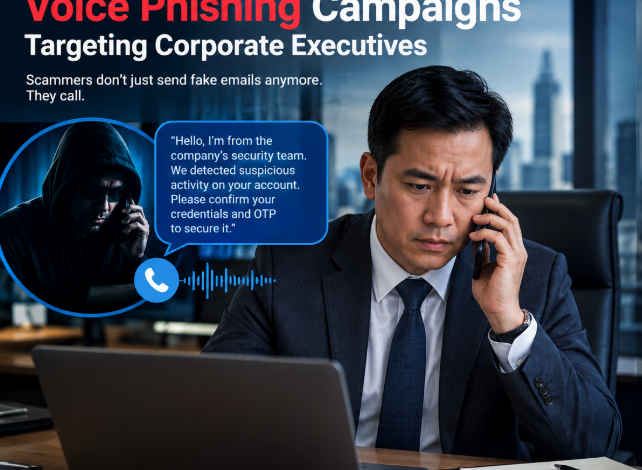
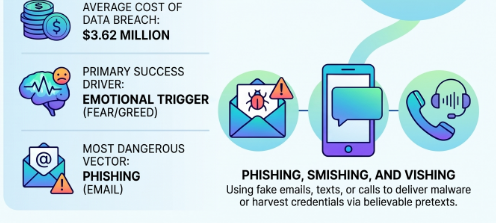
Nobody get into your accounts by cracking your password anymore even if it is possible to break your password, but hacker know the way. Sometimes, they trick you by asking some questions. That’s the uncomfortable truth about social engineering. Your brain has a bunch of mental shortcuts that evolved to help you make fast decisions with limited information, and those same shortcuts are exactly what a scammer needs to get you to click a link, wire money, or read out a one-time code over your digital devices.
Here’s how it actually works, principle by principle.
Authority
People comply with authority. Not because they’re gullible, but because deferring to experts and officials is usually a reasonable way to get through life. Scammers exploit this by dressing up as your bank, your IT department, or a government agency. An email with the right logo, a caller who knows your employee ID, a text that claims to be from the IRS. The message isn’t “trust me because I’ve earned it.” It’s “trust me because of the uniform I’m wearing.” Most people never stop to check if the uniform is real.
Sympathy and Assistance (Empathy)
A caller who sounds genuinely stressed, stuck at an airport gate, locked out five minutes before a client meeting, taps into something text messages rarely manage. The plain human reflex to help someone who sounds like they’re struggling. Security trainers often point to oxytocin as the mechanism behind that pull, the same bonding chemical involved in trust and connection. Whether or not you buy the neuroscience wholesale, the effect is real enough: refusing someone who sounds desperate feels almost cruel in the moment, even to a stranger. Your account will be suspended in 24 hours.” “This offer expires at midnight.” “Act now or lose access.” and do not panic time is given to you. A scammer manufacturing a deadline is manufacturing your compliance. This message seems starts persuading for you.
Social Proof
Social engineers fabricate consensus. A fake testimonial, a forged screenshot of “other employees” already having complied, a comment section stacked with bot accounts agreeing with each other, and that instinct is why fake reviews work, why “37 people are looking at this deal right now” pop-ups exist, and why a phishing email that says “your colleague Sarah already submitted her form” is more effective than one that doesn’t.
Commitment and Consistency
Attackers may ask small, non-threatening questions first (such as verifying the spelling of a name or job department) while agree to tell them. When you respond and feel help to stay consistent with it then attacker start illustrating some credential information to trap you for more heavily information about someone. Your commitment will become a victim without knowing you are trapped.
Concession
This one run backward from the last trick and it manipulate targets by making an initial large or complex request, anticipating resistance, and then conceding to a smaller or alternative ask. The attacker appears to make a concession, the target feels psychologically inclined to concede as well and comply with the smaller follow-up request. It feels like a compromise, like the attacker gave up ground, so the target feels obligated to give a little too.
Liking and Validation
Attackers build quick rapport by offering genuine-sounding compliments, using humor, or establishing a “tribe mentality” (shared background, interests, or struggles), and sometimes we say yes to people we like. Therefore, this principle, attacker may use romance scams to run over weeks or months until the victim’s guard is completely gone.
Curiosity
A mysterious invoice you don’t remember ordering may appear in your inbox and that just says, “is this you?” with a link. Curiosity is triggered and hard to resist. It doesn’t need fear or authority behind it. Just a gap between what you know and what you want to know, and most people will click to close that gap before thinking twice.
Deliberate False Statements (Elicitation)
An attacker may intentionally state an incorrect detail (such as mispronouncing a manager’s name or stating a wrong system setting), and most people can’t leave an error like that uncorrected. They jump in to fix it, and in doing so hand over exactly the information the caller was fishing for, without ever being asked a direct question. A little shared complaining about a slow ticketing system, a joke about Mondays, a comment that lands like “oh, you’re from Ohio too?” and suddenly the person on the other end feels like a colleague instead of a stranger.
Fear or uncertainty
Fear narrows attention. A message claiming your computer is infected, your family member is in trouble, or you’re facing legal action which someone may invites a scramble to fix the problem immediately, using whatever solution is conveniently offered in the same message. Tech support scams, alarming pop-ups or a phone number to call right now etc.
A Practical Framework for Defending Against Social Engineering
Knowing the tricks is one thing. Building a habit that catches them in the moment is another, and it doesn’t have to be complicated.
Recognize the psychological trigger
While you noticed that you’re feeling rushed, flattered, or oddly eager to help a stranger, this usually means someone designed the conversation to produce exactly that reaction. Just noticing it, even silently, breaks some of its grip.
Pause before responding
When a request feels urgent or unusual, stop and think. Don’t allow emotional pressure to make the decision for you.
Verify Through an Independent Channel
Confirm the person’s identity and request using a trusted, separate communication channel. Look up the number yourself instead of using the one you were given. Message the person through a channel you already trust instead of replying directly. If the request is real, it’ll hold up to being checked this way. If it isn’t, this is usually where it falls apart.
Follow Security Procedures
Never bypass authentication, approval, or verification procedures because someone claims to be a senior official, colleague, customer, or person in an emergency.
Report Suspicious Activity
Create straightforward reporting channels, if something seems suspicious. Early reporting can prevent one incident from becoming a larger attack.